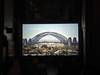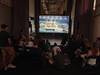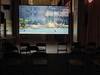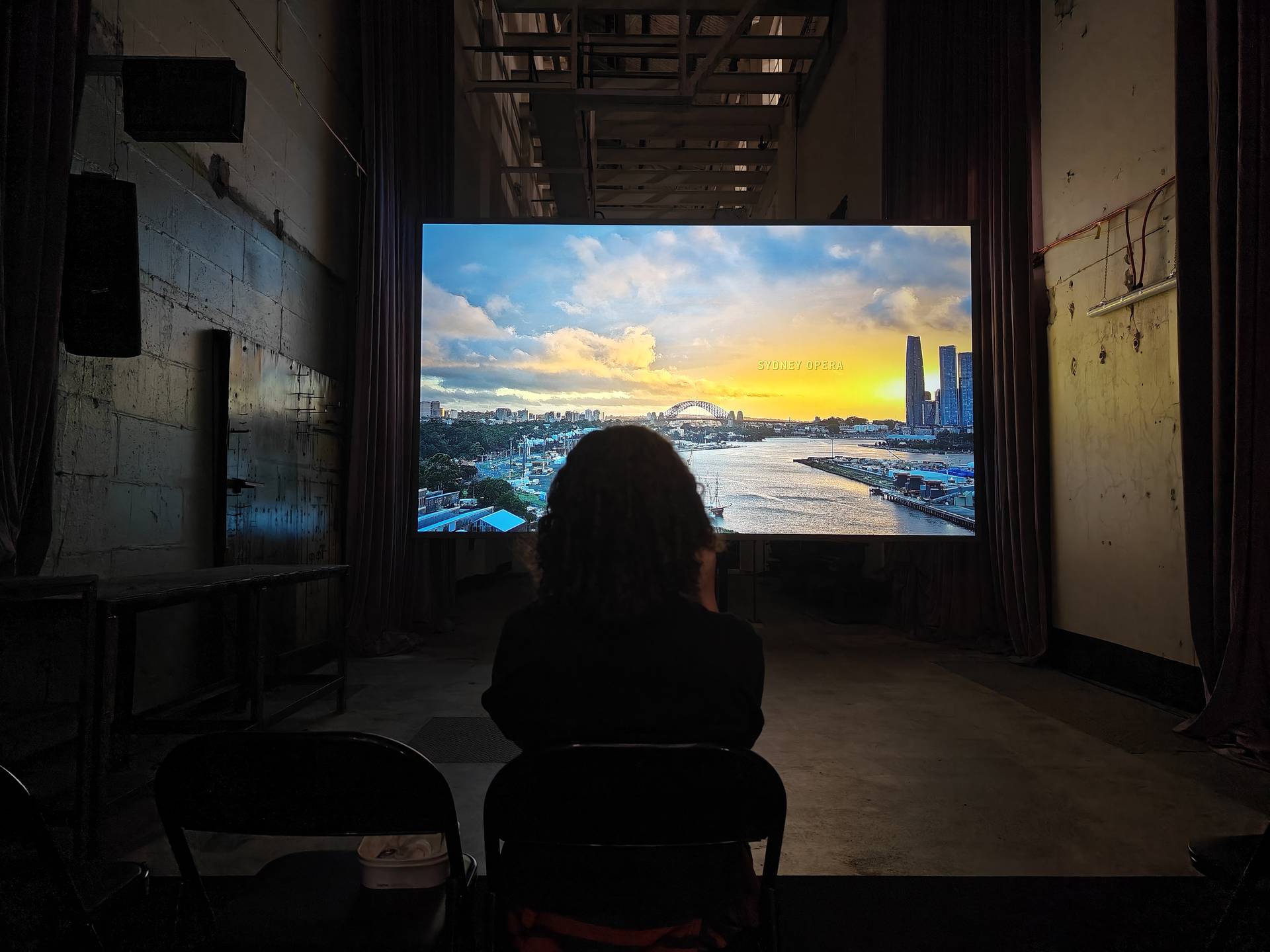
SYDNEY OPERA
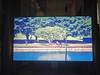
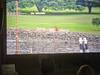
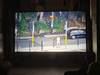
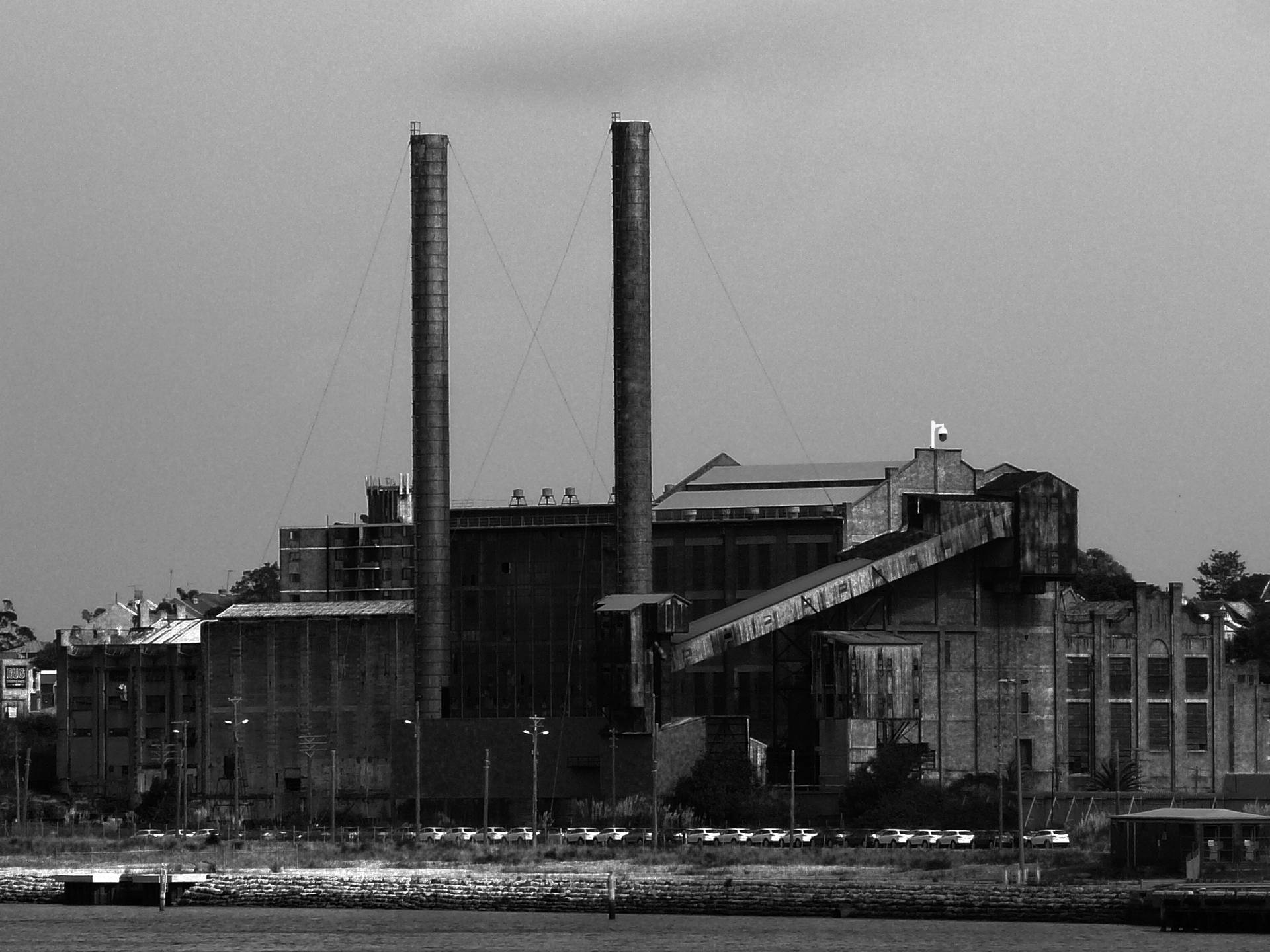
Filmed on location in February 2026 from a CCTV camera atop the White Bay Power Station
Gadigal / Waranne Country
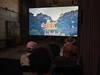
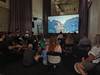
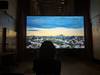
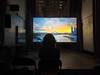
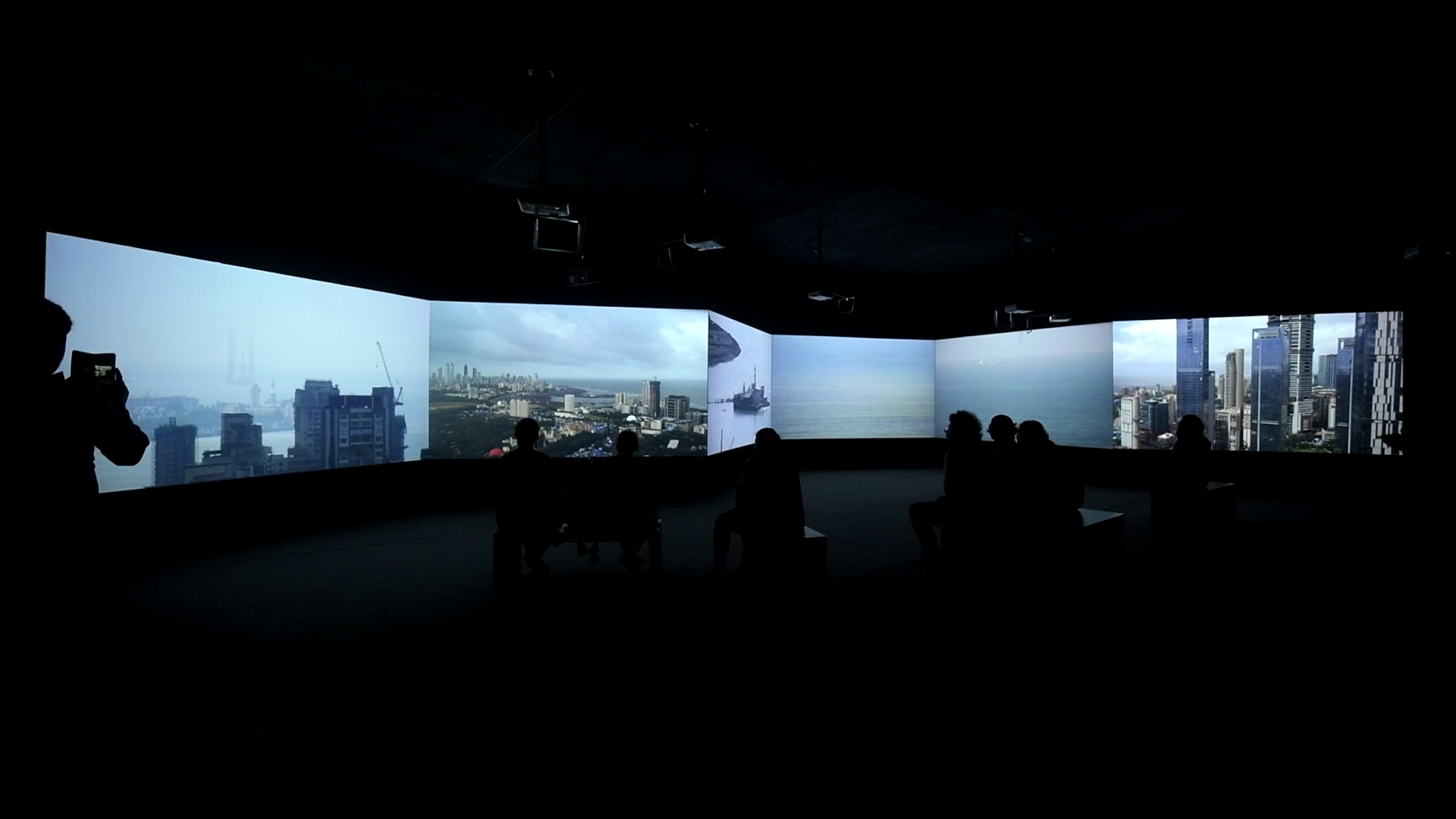
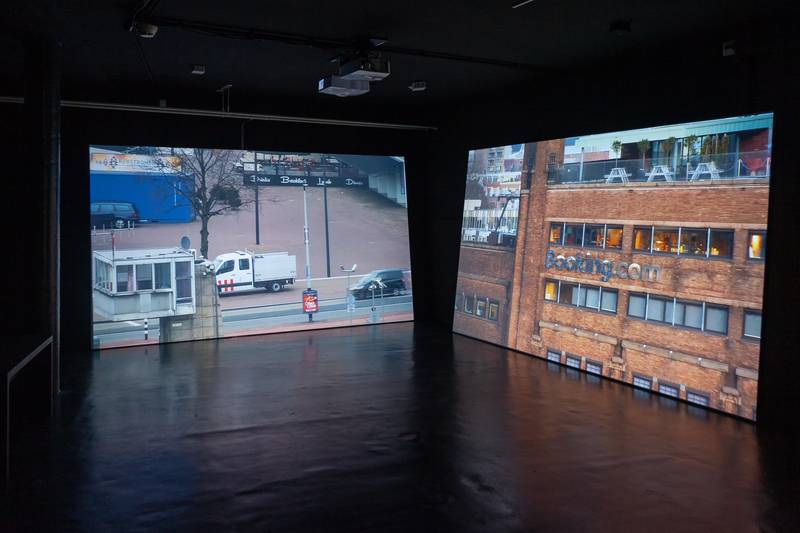
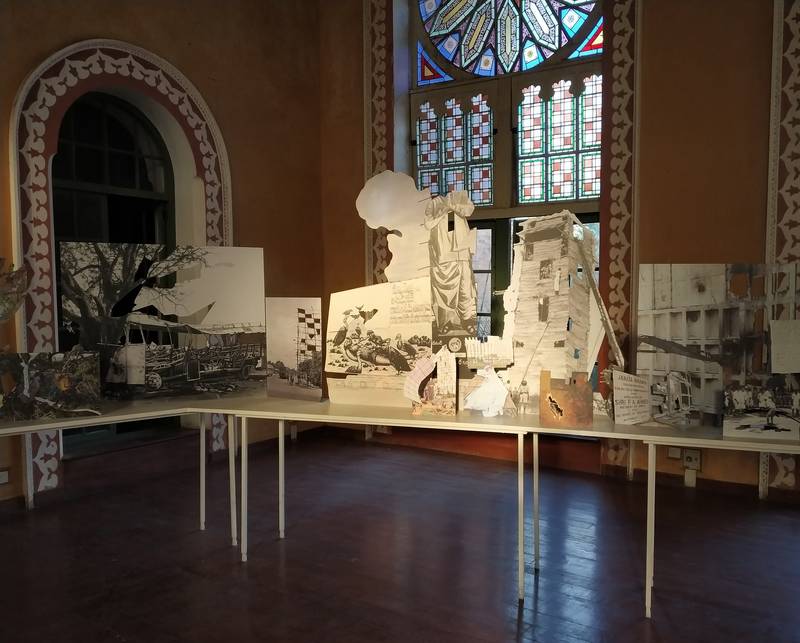
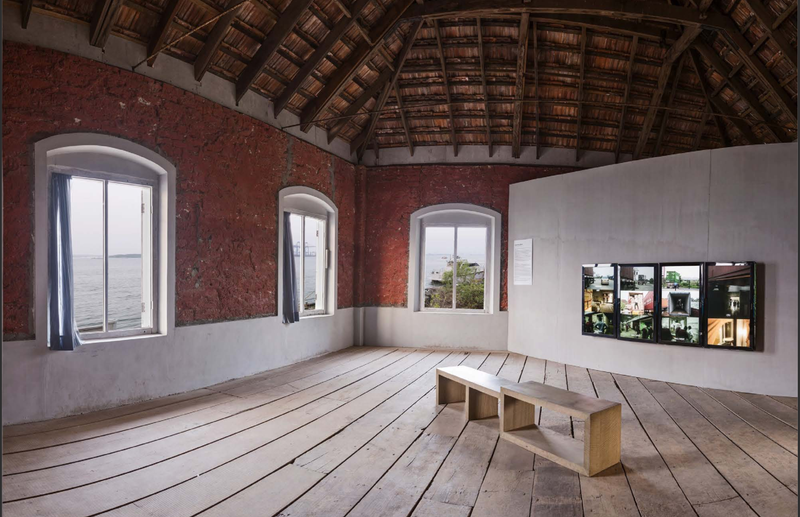
Install View, Turbine Hall, White Bay Power Station, 25th Biennale of Sydney
Soundtrack
Tushar Adhav / Bamboy / Kaali Duniya / Galitch
Featuring
In order of appearance
Douglas “Esky” Cummings
Buildings and Trains
Tammi Gissell
They Didn’t Riot, They Danced
Kathryn Bird
Remembering
Passages from 26 Views of the Starburst World by Ross Gibson
Shivanjani Lal
A Statue for Failing
Passage from Beloved by Toni Morison
Alison Martin
Sandstone, Once Was a River
Brami Jegan
Three Atmospheric Acts
Kush Badhwar
Growing up in Sydney
Shubhangi Singh
Pranks, Prints, Posters, Placards
With passages from How to Make Trouble and Influence People by Ian McIntyre and The Indian Down Under
Facsimiles painted by Victoria Clarke
Kieran Krishnan
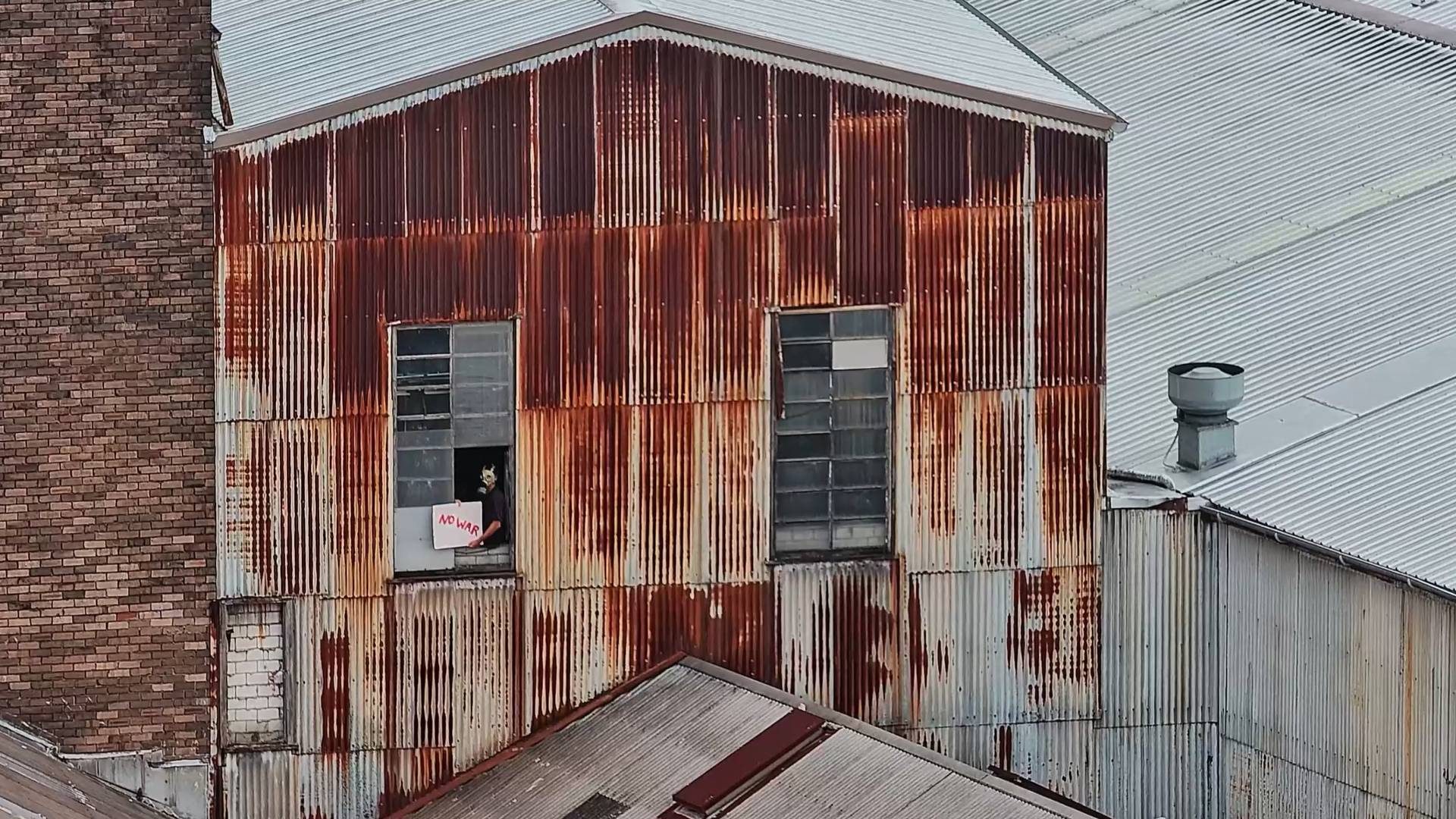
Boy in the Gas Mask
Wendy Bacon
Nearly Half a Century Ago
Jooloo Griffiths
Rainbow Crossing
Helen Grace
Archives of our Recent Past
Rohan Chavan
Sign of Urban Renewal
Kush Badhwar
Keep Left
Munasib Hamid
Curfew in the Triangle
Jooloo Griffiths
Joy in the Triangle
Brami Jegan
Complicity
David Watson
Love Speech
Victoria Clarke
More Courage
Alana Hunt
A Housing Question
Jasmine Stephens
Extending Limbs
Kathryn Bird
Haiku from Flooded Canyon by Ross Gibson
Sigrid “Koki” De Silva and Shaina Anand
Kino-Eyes by Dziga Vertov
Iqbal Barkat with Kush Badhwar
Cinephila in the Park
Kalanjay Dhir
Freestyling
Feras Shaheen
Futsal Shoes
Saba Abdi Zaidi
Pas-e-Hijrat / Beyond Migration
Party in the Cul-de-sac
Munasib Hamid, Hasib Mahmud, Randolph Fields, Nyarooni Leth, Nyaluak Leth, Kush Badhwar, Shaina Anand, Simon Rawlins, Baby Alice and Daniel Johnwest
Antony Loewenstein
The Day After
Tammi Gissell
Stone Country Lament
Our Contraband Light
Nyaluak Leth
Let Gaza Live Vigil
Sigrid “Koki” Da Silva
Muslim Collective
Sydney Operators
Production and Direction
Kush Badhwar
Casting and Liaison
Alana Hunt
Production Assistance
Kieran Krishnan
Research
Laura McLean
Camera
Rohan Chavan
Software
Jan Gerber
Zinnia Ambapardiwala
Editing
Shaina Anand
Rohan Chavan
Graphics
Sanjana Ayyapath
Mix Mastering
Venkatesh Iyer
Direction
Shaina Anand
Commissioned by the Biennale of Sydney and Rubaiya Qatar, Qatar Museums Authority
For Rememory
Curated by Hoor Al-Qasimi
Acknowledgements
Denis Beaubois, Joel Sherwood Spring, James Finlay, Bhenji Ra, Miranda Wheen, Vanessa Berry
Tor Larsen, Ankur Badhwar, Georgina Pope, Fredrika Mackenzie, Tom Fenley, Sandra Slade, Gotaro Uematsu, Barbara Moore, Mario Tadic, Daniel Tadic, S2 Event Space, Najeeba Aslam
Neerja Badhwar and Ross Gibson.
Concept Note
Some things you forget. Other things you never do. Places—places are still there. If a house burns down, it’s gone, but the place—the picture of it—stays, and not just in my rememory, but out there, in the world.
—Sethe, in Beloved by Toni Morrison
And if it’s out there, in the world, could it not enter everybody?
Re:memory should be as ubiquitous and 24/7 as CCTV: an awareness, a viscerality and sentience streaming through us, from multiple eyes, collectively being relayed and deployed. And unlike the crime which CCTV pretends it waits to catch—or by deterrent prevent—Re:memory’s reserve is history itself: an archive of world and home, happening and ritual, tongue and soul, yours, mine, ours in some measure. This reserve is distilled, crafted, cross-pollinated and distributed aesthetically, politically and sensibly—beyond the binaries of essentialism and universalism.
In our setting for Sydney Opera, Re:memory has infected everybody. All characters who will appear in this film possess a generative third memory—in which one’s pasts—ancestral, communal, personal and political—are carried in the bodies of others, relayed across time, resonating and ricocheting off Sydney’s natural and built environments.
The word opera, in Italian—used for labour, composition and theatre—is used here to mark the fundamentally collaborative nature of any such production.
We have maintained that films have to be beautiful on the inside as well as the outside. A reworked relationship between footage and finished film; between live transmission and photography; between the patrol function of the CCTV camera and its hacking and commandeering by artists—and, by extension, its relay into the city, its use and its value; the song and dance between subjects, authors and techne; the power and beauty of montage; the bedrocks and touchstones of our practice; and the question of what is to be done for the future of cinema—the Fw:Re:memory—all of this is on the table today, as we set up the control room for Sydney Opera.